Grain Is the New Gloss: How Ugly Became the Loudest Look on Main Street
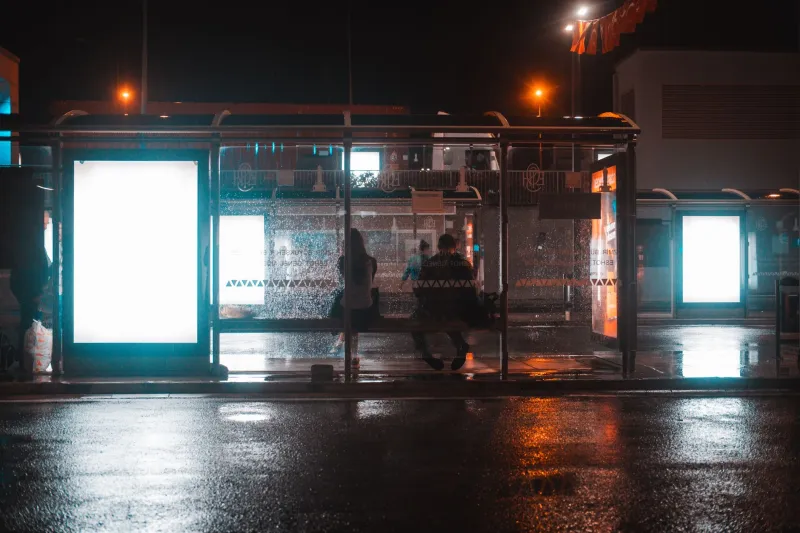
Drive down any American thoroughfare long enough and you'll see it: a billboard for a major brand that looks like it was shot on a disposable camera in 1998. Harsh flash. Motion blur. A subject who seems genuinely startled to be there.
This is not a mistake. This is a strategy. And right now, it's eating polished advertising alive.
The Shine Wore Off
For two decades, the default look of American commercial imagery was frictionless: drone sweeps, golden hour, skin retouched into porcelain. Every brand chased the same immaculate finish, and in doing so, all of them started looking like each other.
Perfection, it turns out, is a commodity. And consumers treat commodities accordingly — with total indifference.
So the pendulum swung. Hard. Skaters shot it on film. Streetwear brands leaned on flash photography that looks stolen from a friend's camera roll. Even legacy brands with ad budgets bigger than some countries' GDPs are commissioning work that deliberately looks like it wasn't commissioned at all.
Why Imperfection Reads as Expensive
Here's the paradox worth understanding: when anyone can produce technically clean images — and AI has made that truer by the week — polish stops signaling quality and starts signaling automation. A glossy render whispers nobody was here.
Grain, harsh flash, off-kilter framing — these are fingerprints. They imply a human was present, that a moment actually happened, that the camera caught something rather than manufactured it. In a feed flooded with synthetic smoothness, evidence of reality is the rarest asset on the market. And rare things get priced like it.
The Rules of Doing Ugly Right
This is the part risk-takers get wrong. Deliberate rawness is a craft, and doing it badly looks like, well, doing it badly. A few field notes:
- Ugly is a choice, not an absence of choices. The best grunge-adjacent campaigns are ruthlessly art-directed. The blur is intentional. The flash is intentional. If your image looks accidental, it's not edgy — it's just an accident.
- Cast real energy, not real chaos. The subjects matter more than the camera. Actual people with actual presence beat models pretending to be casual. Audiences smell the difference instantly.
- Let the environment in. Shot on location, in real light, with real clutter. A diner at 2 a.m. has more brand equity than any infinity-white studio.
- Keep one anchor of intention. Great raw campaigns usually pair the mess with one controlled element — a color, a logo treatment, a consistent crop. That's the thread that says we meant it.
- Don't fake the film. Slapping a grain filter on a corporate shoot is wearing your dad's jacket to the punk show. Either commit to the process — real film, real flash, real photographers — or don't bother.
The Window Won't Stay Open
Every aesthetic rebellion eventually becomes the new orthodoxy. Give it a couple of years and digicam flash will be the handshake photo of the 2030s — ubiquitous, toothless, ripe for its own autopsy.
Which means the real lesson isn't shoot grainy. The real lesson is that the edge always lives in the current moment, and it always goes to whoever moves first. Polish was safe until everyone had it. Raw is powerful until everyone has it. The brands that win aren't married to a look — they're married to looking alive.
So audit your image library. If everything in it could hang in any office lobby in America, you don't have a visual identity. You have a filing system.
Fix that before the next billboard goes up.