Bureaucracy Is the Real Bad Lighting: How Permit Culture Strangles Great Photography
There's a particular smell to an over-planned photo shoot. It's the scent of a laminated call sheet, a signed location agreement, and a city-issued permit folded neatly into a production assistant's lanyard. Everything is legal. Everything is safe. And nine times out of ten, everything looks exactly like every other brand shoot you scrolled past last Tuesday.
Here's my unpopular opinion: the biggest threat to great brand imagery in America isn't a cheap camera, a bad lens, or a shaky-handed photographer. It's paperwork.
The Permission Slip Problem
Somewhere along the way, the US creative industry decided that risk was the enemy. Cities like Los Angeles and New York built entire permitting ecosystems. Film offices published lists of 'film-friendly' locations. Brands hired producers whose primary job was making sure nothing unexpected happened.
But unexpected is the whole point. When every variable is controlled, every image starts to look the same — polished, bland, interchangeable. The permit isn't just a fee; it's a filter that sands off everything interesting before the shutter even clicks.
The Scrappy Underground
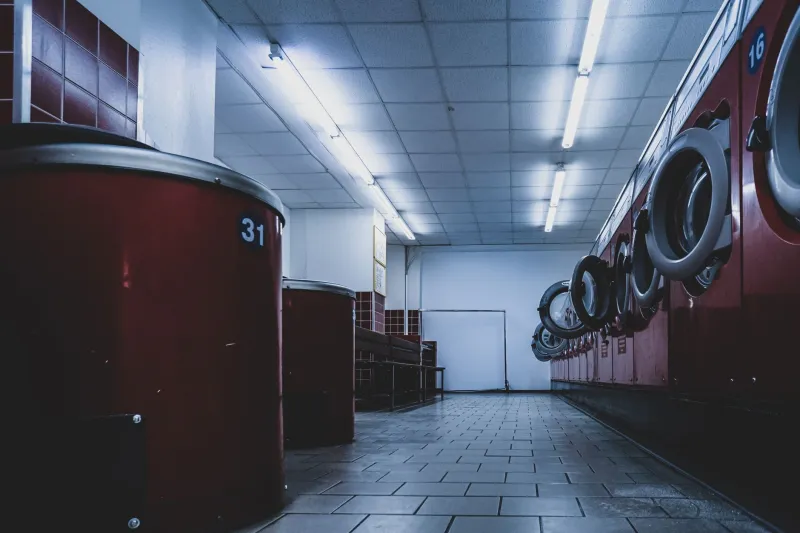
Meanwhile, the photographers actually defining the look of the decade are working in places no film office would ever approve. Think of the fashion editorials shot in 24-hour laundromats in Queens, the fluorescent glow doing more work than a $10,000 lighting kit. Think of the streetwear lookbooks photographed in parking garages in Detroit, concrete pillars doing the art direction for free.
There's a whole cohort of American shooters — many in cities like Atlanta, Chicago, and Portland — who built their reputations on borrowed living rooms and a friend with a pickup truck. Their work doesn't look 'produced.' It looks found. And in a feed full of sameness, found beats polished every single time.
Why Scrappy Wins
Three reasons the unpermitted (or at least unglamorous) location outperforms the glossy backdrop:
- Texture is free. A laundromat at 2 a.m. has more visual character than any rented studio. Real scuffs, real light, real life.
- Constraints breed style. When you can't control everything, you develop a signature. That's how brands get a look instead of a template.
- Speed beats permission. By the time your competitor finishes their permit application, the scrappy shooter has already posted the campaign.
None of this is an argument for breaking the law. Private property is private property, and a conversation with a laundromat owner and a couple hundred bucks of goodwill goes a long way. The point is that the bureaucratic instinct — the reflex to over-clear, over-insure, and over-plan — is a creative decision, and it's usually the wrong one.
The Cost of Playing It Safe
Look at the brand imagery that actually stopped the scroll this decade. Very little of it was shot on an approved backdrop with a signed agreement and a catered craft services table. It was shot in a diner booth in Ohio, a motel parking lot in Nevada, a rooftop nobody was supposed to be on (okay, get permission for that one).
The uncomfortable truth is that 'safe' is expensive and forgettable, while 'scrappy' is cheap and unforgettable. Brands keep paying for the first one and envying the second.
Light the Match Where You Stand
If you're a brand or a creative reading this, here's the assignment: stop asking 'where are we allowed to shoot?' and start asking 'where does this image belong?' Sometimes the answer is a garage. Sometimes it's your actual office at midnight with the fluorescents buzzing. Sometimes it's the world's most boring hallway, made electric by the right person standing in it.
Bad cameras have never killed great images. Timidity has. And timidity, unlike a permit, doesn't come with an application fee — it just quietly bills your brand forever.