Ink on a Napkin: How Backroad Handshake Deals Hold Up (and When They Absolutely Don't)
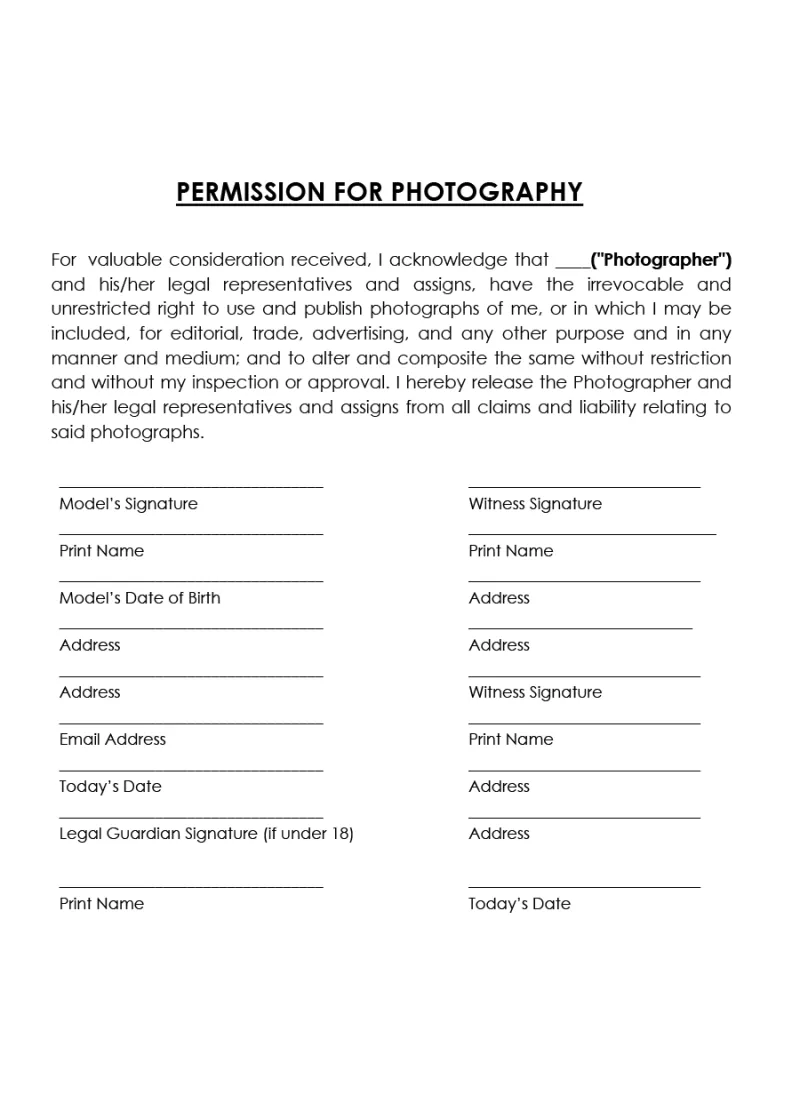
Photo: photographer signing release form on truck hood rural gas station golden hour, via www.wordtemplatesonline.net
The best shoots in America don't start with a call sheet. They start with a nod.
Somewhere outside Barstow, a photographer convinced a gas station owner to let her shoot a denim campaign at pump four during golden hour. The agreement? A handshake, a promise of free prints, and a model release signed on the hood of a 1998 F-150 with a ballpoint pen borrowed from the register. The photos ran. The campaign popped. Nobody sued anybody.
That's the dream version. Here's the other one.
The Deal That Wasn't a Deal
A friend of mine — we'll call him Ray — shot an entire lookbook outside a shuttered roadside motel in Nevada. The property looked abandoned. It wasn't. The owner, who lived three states away, saw the images in a brand's Instagram grid and made one phone call. Not to a lawyer first. To the brand. Who then made a call to Ray.
Ray's defense was honest and completely useless: "The gate was open."
Open gates are not permission. Neither is an empty parking lot, a lack of signage, or the fact that the guy at the hardware store next door said "looks cool, go for it" — because the guy at the hardware store doesn't own the motel. Ray ended up settling for a licensing fee that cost more than the shoot itself. The photos, to their credit, still slap.
When a Handshake Actually Works
Here's the uncomfortable truth: most backroad permission deals hold up fine, because most property owners are flattered, most shoots go off without a hitch, and most disputes never leave the group chat. A handshake is legally recognizable in many contexts, and courts have honored verbal agreements for everything from parking access to shoot locations.
But "most" is doing a lot of heavy lifting in that sentence. A handshake fails the moment memories diverge — and memories always diverge the moment money shows up. The second your image runs in a national campaign, the friendly owner who wanted nothing but a print starts wondering why the brand's media buy cost more than his roof.
Paper isn't the enemy of rebellion. Paper is what lets you keep rebelling next year.
The Gas Station Release, Annotated
So what actually needs to be on that form you're signing against a gravel-covered clipboard? Less than you'd fear, more than a napkin can hold:
- Who's granting what. Full name of the property owner or the person actually authorized to speak for them. The manager of the Love's Travel Stop cannot hand you the parking lot. Ask who owns the ground you're standing on.
- What you're doing. "Commercial photography, up to 6 hours, on the date of signing." Vague grants create vague disputes.
- Scope of use. Personal portfolio use is a different animal than national advertising. If the owner said "sure, for your website" and you sold it to a billboard company, that gap is the lawsuit.
- Consideration. Even a token — $20, prints, a tank of gas, a case of the local beer — makes the agreement look real and makes it harder to unwind later.
- Signatures and dates. Both parties. Ink. On something that won't blow into the desert.
For the people in front of your lens, the model release is even simpler and even more skipped. Name, likeness, scope of use, signature. A release signed at a gas station is exactly as enforceable as one signed in a glass conference room. The law does not care about your zip code, only your paperwork.
The Checklist for Shooting Like an Outlaw Without Paying Like One
Tape this inside your camera bag:
- Identify the actual owner before the shoot — county assessor websites are free and take five minutes.
- Get it in writing, always. A photo of a signed release on your phone counts. A voicemail saying "yeah go ahead" is better than nothing but worse than paper.
- Match the release to the real use. Shooting for a portfolio? Say so. Think the images might end up in an ad? Say that too, and price it accordingly.
- Pay something, even token. Free creates resentment; cheap creates precedent.
- Scan and back up every release the same night. Releases lost to a cracked phone screen have killed more campaigns than bad lighting ever will.
- When in doubt, get the location release notarized — some states treat unnotarized property agreements shakily, and a notary at a truck stop costs about ten bucks.
- Keep a one-page template on hand so the ask takes ninety seconds, not a negotiation.
Rebel, But Sign First
There's a romance to the handshake deal, and honestly, it's earned. Some of the most electric imagery in American advertising came from a photographer talking their way onto a property ten minutes before the light turned perfect. Keep doing that. Just do it with a form in your back pocket and the owner's actual signature on it.
The rebellion isn't skipping the paperwork. The rebellion is making great work where nobody thought to ask — and having the paper trail to prove you belonged there all along.