Midnight Is When America Takes Its Makeup Off: Lessons From an All-Night Diner Shoot
Nobody Watches the Clock at 3 A.M.
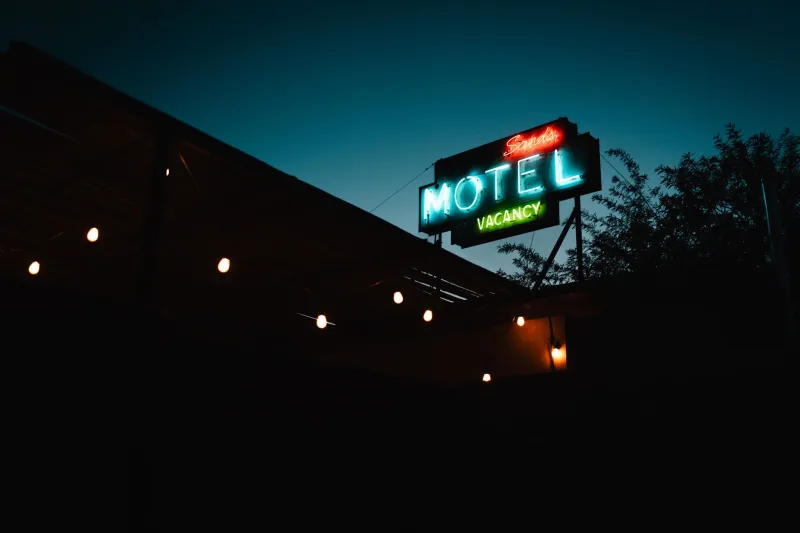
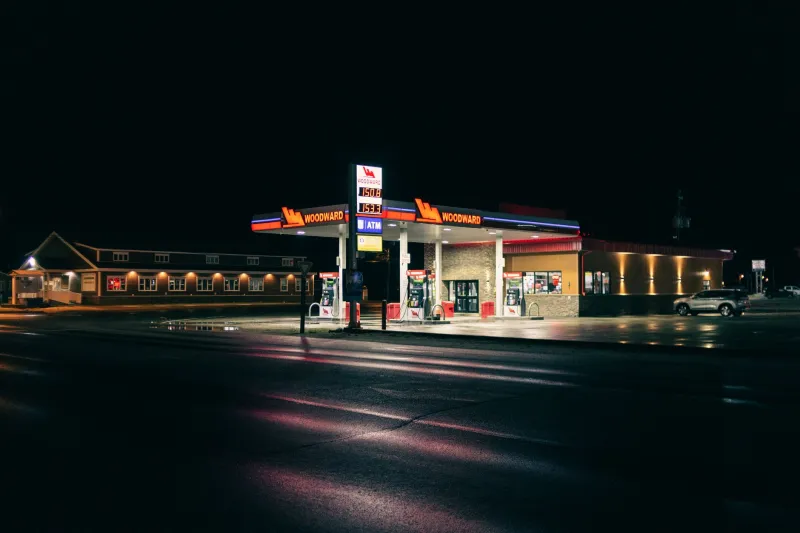
There's a version of America that only exists after midnight. The parking lot with one car parked crooked under a flickering sodium light. The diner where the waitress knows every trucker by name and the coffee has been burning since Tuesday. The gas station that sells more energy drinks than gas. If you've never stood in one of these places with a camera at an hour when your phone shows double digits on both ends, you're missing the most honest light and the most honest faces this country has to offer.
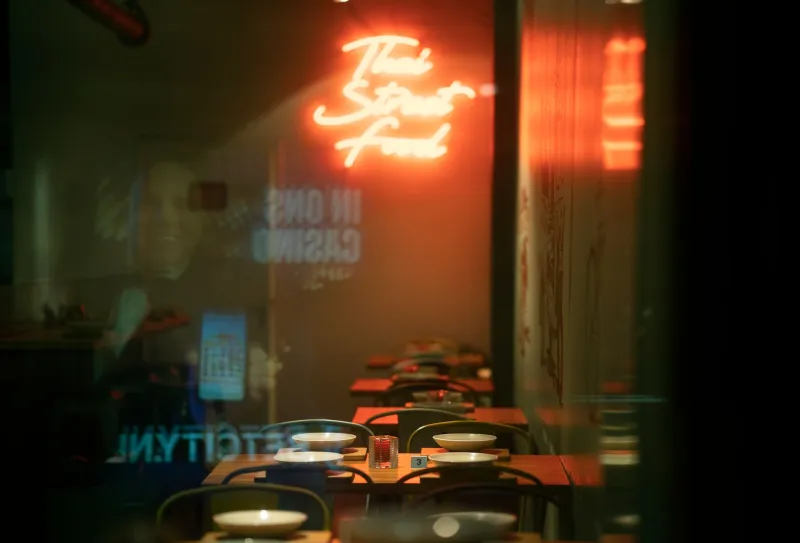
We shot a full campaign last spring between 1 and 5 a.m. at a 24-hour diner outside Albuquerque — the kind with vinyl booths split at the seams and a pie case that glows like a shrine. No permits. No agency. No one asking us to make the logo bigger. And the images? Gritty, warm, weirdly tender. The kind of stuff a focus group would've sanded down into oblivion.
Why the Night Shift Shoots Better
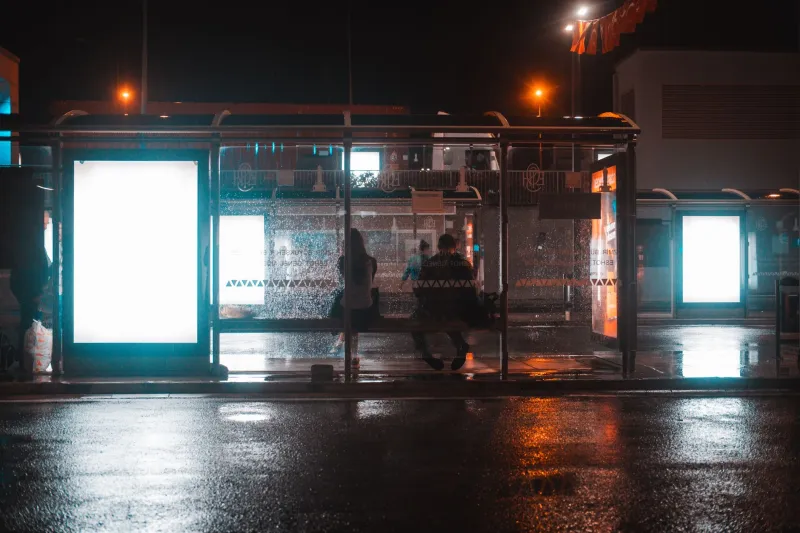
Here's the thing about midnight America: nobody's performing. The 9-to-5 crowd curates themselves all day — for coworkers, for cameras, for the mirror. But the guy nursing hash browns at 2 a.m. because he can't sleep? The nurses coming off a double? The road-tripper mainlining caffeine outside Amarillo? They've stopped caring who's looking. That's not melancholy — that's authenticity you cannot art-direct.
And the light. Oh, the light. Fluorescent tubes buzzing overhead, the blue spill of a vending machine, one incandescent bulb over the register turning everything the color of memory. It's technically "bad" lighting, which is exactly why it works. It looks like somewhere. Polished studio light looks like nowhere.
The Practical Stuff: Shooting When the Sun Isn't
Low light punishes the unprepared, so here's the kit talk:
- Fast glass or bust. A 35mm or 50mm at f/1.8 or wider will eat a dim diner alive. Zoom lenses at f/4 will eat your patience instead.
- Embrace the grain. Crank the ISO and stop apologizing. Noise at 3200 looks like atmosphere; noise you try to scrub out in post looks like a lie.
- Use what's already lit. That neon sign, the pie case, the jukebox — they're your lighting kit. Position subjects near them and let the environment do the work.
- Stabilize. A tabletop tripod or a booth leaning surface buys you two or three extra stops when you need them.
- Shoot wide in burst mode. Night owls move in unpredictable ways. Volume is your friend.
Getting In the Door (Literally)
Odd-hour locations are easier to secure than you'd think, because nobody else is asking. Walk into the diner at 10 p.m., order pie, and talk to the owner on shift. Offer to shoot portraits of the night crew for free — they never have decent photos of themselves, and you get a location and a cast in one move. Gas stations, laundromats, bowling alleys, roadside motels: same play. Cash for the register, respect for the space, and you're golden.
Skip the film permit conversation entirely for small, private businesses — the owner's permission is the permit. (If you're blocking a public street or setting up heavy gear, that's a different animal. Know the difference before you find out the hard way.)
Cast Real Night Owls, Not Models
Here's the casting secret: don't cast. Show up. The people already in the room at 3 a.m. are your talent. Ask the line cook who's been there eleven years. Ask the insomniac in the corner booth. Pay them a fair day rate, buy their meal, get a signed release, and watch what happens when someone who's never been photographed by anything but a security camera gets treated like the face of a campaign.
Models can fake tired. They cannot fake the specific gravity of a person who's genuinely been awake for twenty hours. Real beats rehearsed, every frame.
The Clock Is a Creative Constraint
Working the weird hours forces decisions that make the work better. You can't bring a truck full of equipment — so you travel light and get resourceful. You can't reshoot easily — so you pay attention. The clock becomes a collaborator instead of a line item.
Big brands spend millions trying to manufacture the feeling that something real is happening in their images. Meanwhile, the realest thing in America is sitting in a vinyl booth three miles off the interstate, lit by a fluorescent tube with a loose ballast, and it's available to anyone willing to set an alarm for an hour that scares normal people.
The daylight world is oversaturated — literally and figuratively. Midnight is wide open. Bring a fast lens, bring cash for the pie case, and shoot the America that clocks out.