Show Them the Blown Frames First: The Mess Review That Sells the Bold Shot
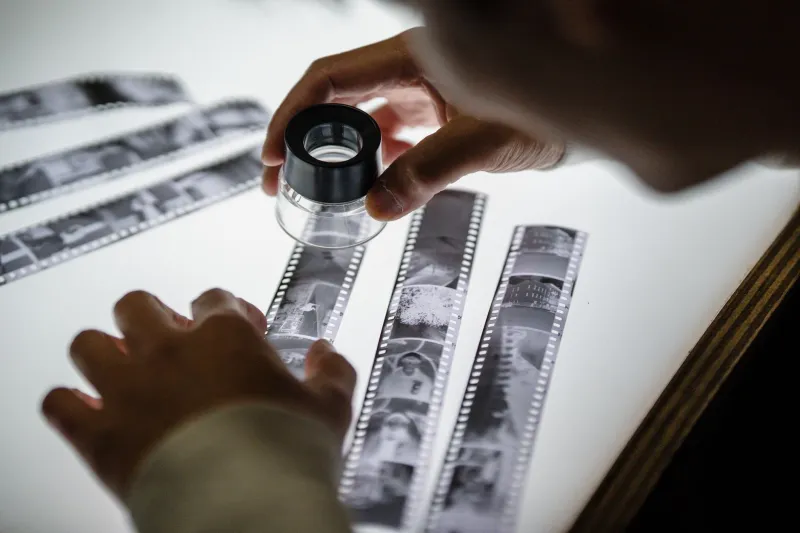
Every brave campaign starts with a client saying they want something real. Then the first review happens, and everyone remembers the account has a legal team. The deck promised grit, instinct, a little danger. The contact sheet arrives with a blown focus frame, a half-squint, and one accidental image that is better than anything in the deck.
Most photographers hide that sheet. They show the selects, the polished twelve, the frames that look like the deck. That is a mistake. The contact sheet is not evidence of failure. It is evidence of judgment. It shows the client how the final image got made, which is exactly what they need to approve the weird one later.
The deck sells a fantasy. The sheet sells a brain.
A pitch deck is a mood with a budget. It flattens risk because every image is already resolved. The client sees the ending, not the decisions. That feels safe, but it creates a strange problem: they learn to expect a product with no fingerprints. Then you ask them to approve a final image with a real face, bad shade, and a composition that breaks the style guide. Of course they flinch.
A contact sheet does the opposite. It shows the near miss. It shows the frame where the light went sideways and you chased it anyway. It shows the subject laughing at the wrong moment, and the frame right after that is the campaign. When clients see the mess, they stop treating the final image as a magic trick and start treating it as a choice.
What a mess review is, and what it is not
A mess review is not a raw file dump. It is not two hundred frames and a shrug. That is how you lose the room and the account in one afternoon.
It is a curated walk through working material. Pick twelve to twenty contact sheets. Sequence them. Mark three kinds of frames: the miss that taught you something, the accident that might be the campaign, and the safe frame you are deliberately not using. Write a short note on each sheet. Keep the language plain.
The goal is not to make the client love every frame. The goal is to make them trust your eye before they see the final polish. You are selling the process, not the mess.
Run the room without losing it
Start with a frame that is almost right. Not a disaster. An almost. Say what you were chasing and where it slipped. Then ask the client what they see. Let them talk before you defend anything. You will learn fast whether they are scared of the image or scared of the budget.
Keep the review to forty-five minutes. Do not let it become an editing session. The client is not there to direct the contact sheet. They are there to understand the risk you want to take on the final shoot. End with one clear ask: we want to push the next setup toward this accident, and we need your sign-off to protect fifteen minutes and one extra setup for it.
If the room panics, zoom out. Remind them what the final deliverable is. Remind them there is a safety frame. Remind them that you are not asking to burn the brief. You are asking to leave a door open.
The language that keeps the account
Say: I chased this and missed by six inches. Here is what that tells us about the light. Say: this frame is wrong for the deck, but it is alive. Say: this is the risk we could take, and here is what it buys us.
Do not say: this is bad. Do not say: I do not know. Do not say: trust me. Those phrases make clients reach for the style guide.
Tie every messy frame to a business goal. A real face sells a service better than a cast model. A bad-shade frame feels like a place someone has actually been. An accidental frame can become the social cut that outperforms the hero image. The client does not need to love the mess. They need to see what the mess is for.
Why it works
Trust is not built in polish. It is built in evidence of choices. The contact sheet lets a client rehearse the risk before the money is spent. It also protects you. They saw the blown frame before they approved the final. They saw the accident before it became the campaign. That is a shared decision, not a surprise.
In 2026, anyone can generate a flawless image. The flex is human judgment. The contact sheet is the receipt. Show the blown frames first, and the final frame stops looking like a gamble. It starts looking like the obvious next move.