The Trucker Test: Why Your 'Bold' Campaign Crashed Into the People It Was Supposed to Impress
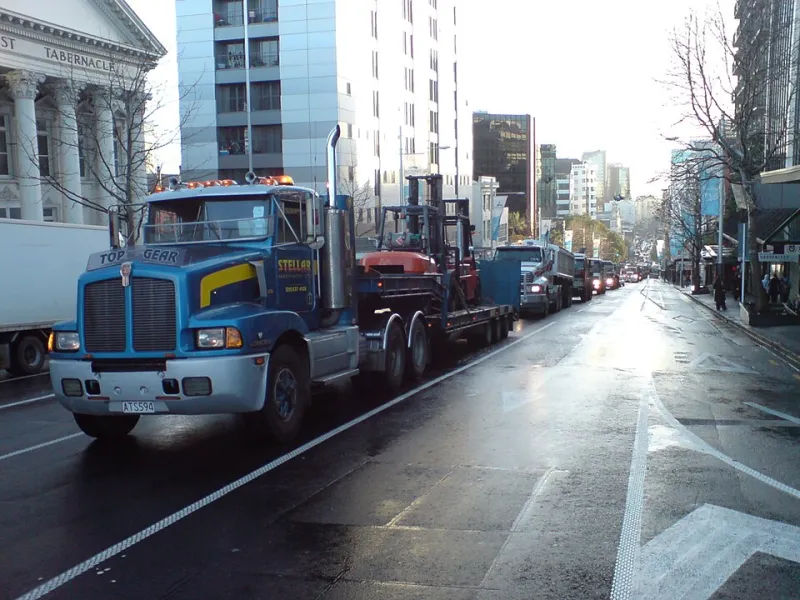
Photo: Ingolfson, Public domain, via Wikimedia Commons
The room loved it. That's the part that should scare you.
Every failed campaign we looked at for this piece passed the internal test. The creative director grinned. The brand manager nodded along. Somebody said "this is going to ruffle feathers" the way people say it about work they're proud of. Then the campaign shipped, and the feathers it ruffled belonged to the customers — the long-haul drivers, the night-shift nurses, the Sunday congregation — who looked at the imagery and didn't see rebellion. They saw mockery.
Here's the uncomfortable thesis: defiant creative almost never fails because it's too bold. It fails because nobody in the building ever had a conversation with the people in the frame.
The Room Is Not the Road
There's a specific kind of blindness that sets in around week six of a campaign build. You've stared at the mood boards so long they feel like family photos. Everyone around you has absorbed the references, the irony, the wink. You forget that a trucker rolling through a truck stop outside Amarillo at 2 a.m. gets exactly one glance and zero context.
One art director we spoke to — let's call him Dan, because he'd like to keep working in this industry — described a campaign his agency built around "glamorized" factory workers. Grit, sweat, smoke, the whole aesthetic. The shoot looked incredible. The problem: the actual workers on that line hated it. They read the styling as costume. "You dressed a model in my job," one line employee told a local reporter. Dan's agency spent three weeks doing damage control that cost more than the original shoot.
The imagery wasn't too edgy. It was edgy in the wrong direction — performed at an audience instead of built with them.
When the Audience Becomes the Story
The pattern shows up everywhere once you start looking. A regional bank ran a "rebel teller" campaign with tattooed staff and punk styling. The church groups in the town — a meaningful chunk of the deposit base — pulled their accounts. A healthcare system ran moody, cinematic ads about burnout that tested as "authentic" internally; the nurses who saw them felt exploited, their exhaustion turned into set dressing.
Notice what these have in common. The brand borrowed the look of a life without ever asking the people living it. That's not rebellion. That's tourism with better lighting.
Real audiences have finely tuned radar for this. Shift workers especially — people whose jobs get aestheticized constantly and respected rarely. They can smell a prop from a hundred feet. And unlike conference room audiences, they talk. To each other, to local news, to the entire internet.
The Trucker Test: A Field Checklist
So how do you pressure-test defiant creative before it ships? Borrow the idea of the worst-case viewer. Before anything goes live, run it through this list:
- Find one real person from the depicted world. Not a consultant. Not a focus group facility. If your campaign features truckers, buy coffee for a trucker and show them the boards. Ten minutes. Their first reaction is the one that counts.
- Ask "who's the joke on?" Great rebellious work punches at institutions. Failed work accidentally punches at the people in the photo. If your subject has to wonder whether they're being celebrated or caricatured, you've already lost.
- Strip the context. Show the hero image alone, no caption, no campaign deck. If a stranger can't tell whether you're honoring or mocking the subject, the campaign doesn't survive contact with the real world.
- Check the punchline math. Every edgy ad is a joke with someone as the butt. Make sure the butt is a system, a cliché, a competitor — never the customer.
- Ship a small version first. Run the boldest asset in one market, one channel, one week. The internet will tell you what the conference room couldn't.
None of this softens the work. That's the surprise most teams discover: the campaigns that survive the Trucker Test tend to be more defiant, not less, because they're grounded in something true instead of something performed.
Bold Means Answering to Somebody
There's a romantic myth in this business that rebellion means not caring what anyone thinks. That's a teenager's version of it. The adult version — the version that wins — cares intensely what the right people think, and has simply decided that the conference room isn't the right room.
The brands that refuse to blend in aren't the ones shouting into a void. They're the ones standing next to the people they photograph, taking the same heat, sharing the same stakes. Talk to the trucker. Sit with the night shift. The boldness takes care of itself once the respect is real.
The room loved it. Make sure the road does too.