Pixels With a Pulse: When Real Shutterbugs Become the Flex
Somewhere in a boardroom right now, a marketing VP is approving an AI-generated campaign that looks exactly like the AI-generated campaign their competitor shipped last week. Same golden-hour glow. Same suspiciously symmetrical faces. Same uncanny, airbrushed nothing. And somewhere else, a scrappier brand is paying a real photographer to shoot a real person in a real diner in Ohio — grain, glare, and all — and that image is going to outperform everything else this quarter.
Welcome to the great aesthetic inversion. When perfection became free, imperfection became the luxury good.
The Floodgates Opened and Everyone Got Wet
It took about eighteen months for generative imagery to go from party trick to default setting. Small businesses with zero budgets now produce ad-ready visuals that would have cost five figures in 2019. That's genuinely great for a lot of people. But scale flattens everything it touches, and we've hit scale.
The tell is subtle at first — the extra finger, the melted watch strap, the crowd of onlookers who all seem to be posing for the same invisible photographer. But audiences have gotten fluent fast. Gen Z, raised on catfishing and deepfake literacy, can clock synthetic skin the way previous generations clocked a stock photo handshake. There's a term floating around creative circles now: "AI slop." It's not a compliment, and it's attached to brands.
Grit Is the Receipt
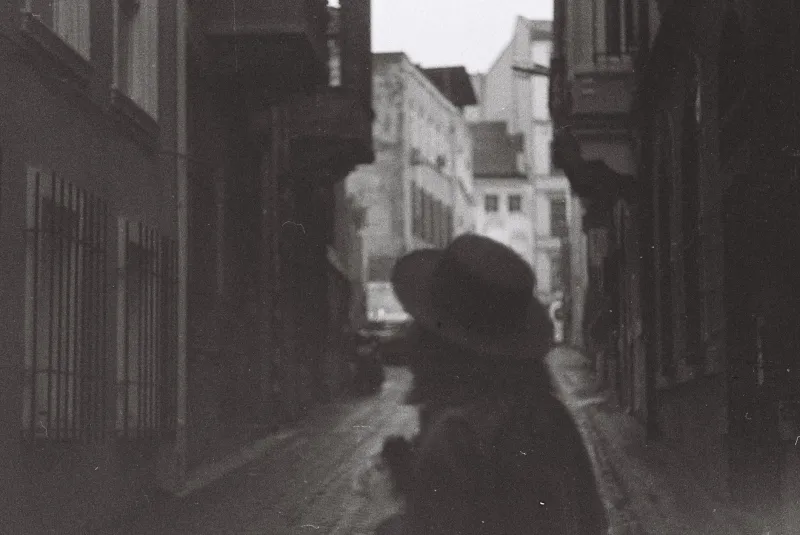
Here's the thing about a photograph taken by a human: it comes with a receipt. Dust on the sensor. A slightly missed focus that somehow makes the moment. A subject who blinked and laughed and the photographer kept the frame anyway. These artifacts are unforgeable in spirit — technically you can fake them, but audiences can smell the difference between texture and performed texture.
That's why we're watching brands deliberately de-polish. Recent campaigns across apparel, beverage, and sneaker culture have leaned hard into flash-on-skin harshness, visible film grain, and candid frames that look like they were pulled off a friend's disposable camera. The message isn't "look how beautiful our product is." The message is "a person was here."
Skate and streetwear brands never left this aesthetic, which is why they're suddenly the template. When a major soda brand hands the camera to documentary shooters instead of a render farm, they're not being nostalgic. They're buying trust.
Real Faces, Real Stakes
The second front in this shift is casting. Synthetic models are legally frictionless and endlessly patient, and they are also nobody. Audiences increasingly read AI faces as a signal that the brand has no one behind it worth photographing.
The counterplay is radical specificity: the actual barista at the actual shop, the founder with the crooked smile, the crew that actually builds the thing. Regional campaigns shot with local talent don't just photograph better — they convert better, because recognition is the oldest marketing technology there is.
Controlled Chaos as Strategy
Let's be precise about what this is and isn't. Leaning into human grit doesn't mean pointing an intern with a phone at your product and calling it a day. The brands winning this moment are doing something sneakier: they're using all the polish of professional craft in service of results that look accidental. Loose framing, harsh light, motion blur — all deployed deliberately, by people who know exactly what they're breaking.
That's the distinction worth paying for. AI gives you flawlessness at scale. Humans give you intentionality at scale. Only one of those communicates that someone gave a damn.
What This Means for Your Next Shoot
If you're planning brand imagery this year, ask three questions:
- Could a machine have made this? If yes, why are you paying for it?
- Is there a person visibly present? In the frame or behind the lens — ideally both.
- Does the imperfection mean something? Grain for grain's sake is just another uniform.
The flood isn't receding. Synthetic imagery will keep getting cheaper, faster, and better, and pretending otherwise is a losing bet. But value has never lived in the median. It lives in the edges — the frames that could only exist because someone stood in a specific room, on a specific afternoon, and cared.
Perfection used to be the premium. Now it's the baseline. The premium is proof of a pulse.